

 Bank
Bank  Breaking News
  Property Law
  इतिहास
  ऑटोमोबाइल
  करियर
करियर  खबरें
खबरें  खेलकूद
  देशभक्ति
  पॉलिटिक्स
  भारतीय संस्कृति
  मनोरंजन
  योजना
योजना  शिक्षा
  हेल्थ
हेल्थ .webp)
.webp)

 DIGITALARKA
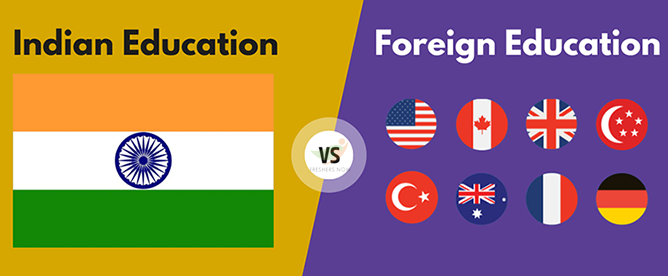
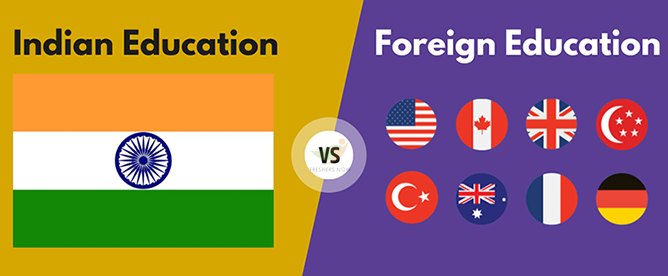
 Indian Education System vs Foreign Education System को लेकर बहुत लोग confuse रहते हैं। यहाँ बात सिर्फ syllabus की नहीं, सोच की भी है। हमारे यहाँ ज़्यादातर focus exam और marks पर होता है। वहाँ (foreign countries में) skill, creativity और practical learning पर ज़्यादा ध्यान है।
सो पहले सोचो, तुम सीख रहे हो knowledge के लिए या number के लिए? यही फर्क तय करता है education का result। Indian system अच्छा है अगर तुम्हें discipline और theory चाहिए। लेकिन foreign system तुम्हें सोचने की आज़ादी देता है (थोड़ी messy पर interesting होती है)।
अब देखो, एक class में 60 students हो और teacher बस notes बोल रहा है — ये Indian style है। वही topic अगर छोटे group में discussion से सीखा जाए – that’s foreign way. दोनों में strength है, और दोनों में कमी भी। अगले पार्ट में हम इसका detailed comparison करेंगे (तुम्हारे लिए आसान भाषामें)।
Education System – India Aur Foreign Countries Mein Basic Difference
भारत और विदेशी देशों की Education System में बहुत फर्क है। यहाँ ज़्यादातर बच्चे theory पर टिके रहते हैं, और वहाँ वाले बच्चे skill से काम सीखते हैं। ये फर्क तभी दिखता है जब आप देखते हो कि पढ़ाई के बाद कौन कितना practically तैयार है। चलो थोड़ा गहराई में देखते हैं ताकि तुम खुद समझो कि कहाँ system बच्चों के सपनों के ज़्यादा करीब है।
Indian Education System – Theory Focused Learning
- यहाँ syllabus भारी होता है और concept rote learning से याद कराओ जाता है।
- जाँच ज़्यादातर exam marks से होती है (practical knowledge second place पर)।
- Teachers guide करते हैं पर creativity के लिए जगह कम रहती है।
- बच्चे अक्सर book-based सोचते हैं, real-world solve करना नहीं सिखाया जाता।
Foreign Education System – Practical aur Skill-Based Learning
- यहाँ students को projects aur experiments करते-करते सिखाया जाता है।
- Focus रहता है creativity, teamwork aur real problem-solving पर।
- Exams कम और continuous evaluation ज़्यादा होता है (like assignments or group work)।
- Students को freedom दी जाती है अपना interest track करने की—art, research, tech—जो भी चाहो।
Tuition Fees – Padhai Ka Kharcha Kitna Padta Hai
पढ़ाई का खर्चा हमेशा एक बड़ा सवाल बनता है—खासकर जब आप सोचते हो India या Foreign में पढ़ाई करने का। यहाँ फर्क काफी दिखता है, और कभी-कभी ये फैसला आपके बजट से ही तय होता है।
Indian Education System – Affordable पर Limited Facilities
- यहाँ पढ़ाई सस्ती है, Colleges और Universities कम fees लेते हैं।
- लेकिन infrastructure कमजोर है (lab purane, library outdated)।
- कई बार teacher practical exposure नहीं दे पाता।
- फिर भी, अगर आप मेहनत करो तो Government college में quality मिलती है।
Foreign Education System – Expensive But Valuable
- यहाँ fees बहुत high होती है, specially USA या UK में।
- लेकिन exposure बड़ा है—students project पर काम करते हैं, internship culture strong है।
- Visa, accommodation, books—सब add हो जाता है लागत में।
- फिर भी, job opportunity और confidence अलग level का मिलता है।
तो हाँ, पढ़ाई का खर्चा सिर्फ पैसे नहीं—एक investment है, खुद में और future में भी।
Curriculum and Specialisation – Syllabus Ka Approach Aur Flexibility
यह बात अब सबको समझनी चाहिए कि syllabus सिर्फ किताबों की लिस्ट नहीं होता। यह असल में उस सोच का तरीका होता है जिससे आप कुछ सीखते हो। हमारे Indian Education System में syllabus बहुत fixed है। और यही फर्क बनाता है foreign system से जो ज्यादा flexible और practical होता है।
Indian Education System – Fixed Curriculum
- यहाँ syllabus पहले से तय होता है और student को वही follow करना पड़ता है।
- Early stage पर specialization का option बहुत कम मिलता है।
- Exam focus ज़्यादातर theory पर होता है (real life practice नहीं के बराबर)।
- Example: अगर आप science stream लेते हो तो arts या commerce subject add नहीं कर सकते।
Foreign Education System – Flexible Courses
- यहाँ आप mix subjects पढ़ सकते हो (जैसे psychology के साथ computer science)।
- Early specialization possible है – मतलब specific area pe focus जल्दी शुरू कर सकते हो।
- Curriculum open होता है, professor और student मिलकर plan करते हैं।
- Example: US में student पहले साल general subjects पढ़ते हैं, फिर decide करते हैं major क्या होगा।
Also read: 2026 se Teesri Class mein AI Padhana Hoga: Shikshakon ki Taiyari Kaise Karein
Faculty and Research Opportunities – Teaching Quality Aur Innovation Ka Level
भारत में Faculty और Research Opportunities अभी भी सीमित हैं। ज़्यादा ध्यान Teaching Quality पर है, पर Innovation का स्तर उतना ऊँचा नहीं दिखता। अगर आप एक शिक्षक हैं या बनने की सोच रहे हो, तो ये फर्क समझना ज़रूरी है—कैसे Indian Education System और Foreign Education System अलग सोचते हैं।
भारतीय Education System – Teaching ज़्यादा, Research कम
- ज़्यादातर Faculty सिर्फ syllabus पूरा करने पर ध्यान देते हैं।
- Research के लिए समय और support कम होता है।
- कई Teachers innovative idea लाते हैं, पर funding और guidance नहीं मिलती (system थोड़ा rigid है)।
- Students भी exam-oriented रहते हैं, curiosity-based नहीं।
विदेशी Education System – Research Driven और Global
- Professors यहाँ लगातार project और paper में involve रहते हैं।
- Industry और University में strong collaboration होता है।
- Teaching method flexible है—ideas experiment करने की आज़ादी है।
- Research paper publish होने पर global recognition मिलता है।
अगर आप Faculty हैं, तो सोचिए—क्या आपका system आपको explore करने देता है या बस पढ़ाने तक सीमित रखता है?
Admission Requirements – Eligibility Criteria Mein Farq
भारत और विदेश की Education System में Admission Requirements का तरीका बहुत अलग होता है। यह फर्क समझना ज़रूरी है, खासकर अगर तुम higher studies का सोच रहे हो। यहाँ हर जगह marks ही सबकुछ नहीं होता (भीतर मतलब अलग है)। अब चलो step-by-step समझते हैं।
भारत की Admission Process
- यहाँ Eligibility Criteria सीधा Percentage या Entrance Exam पर तय होता है।
- Engineering तो JEE देता है direction, Medical में NEET decide करता है।
- कुछ कॉलेज direct merit list से लेने वाले भी हैं (बस board marks high होना चाहिए)।
- यहाँ system थोड़ा rigid है, मतलब पूरे focus number पर रहता है।
विदेश की Admission Process
- यहाँ approach ज़्यादा holistic है यानी overall profile को देखा जाता है।
- सिर्फ percentage नहीं, साथ में extracurricular, SOP, LOR, personal essay भी matter करता है।
- Example के लिए, अगर तुम्हारे marks average है, लेकिन तुमने social work किया या leadership दिखाया, तो भी strong chance रहता है।
- यहाँ marks सिर्फ एक part है, पूरा decision personality और consistency पर होता है।
Admission Process – Kaise Hota Hai Selection Aur Entry
Admission Process को समझना आज भी कई students के लिए थोड़ा confusing होता है। Indian और foreign education system दोनों के अपने तरीके हैं। यहाँ simple तरीके से समझो कि entry और selection kaise hota hai.
Indian Education System – Centralised Entrance Aur Merit Lists
- India में admission process mostly entrance exams पर depend करता है (जैसे NEET, JEE, CUET वगैरह)।
- पहले form भरो, फिर admit card aata hai, exam दो।
- Result के बाद centralised counselling होती है (मतलब सारे college एक common list बनाते हैं)।
- Merit list में नाम आया तो seat confirm होती है, नहीं आया तो waitlist chalo।
Foreign Education System – Application Essays, SOPs, Aur Interviews
- यहाँ marks से ज्यादा focus होता है personality और writing skills पर।
- Application में lagta hai essay aur SOP (Statement of Purpose)।
- SOP में लिखो क्यों वो college चुन रहे हो (थोड़ा personal बनाओ)।
- फिर short interview होता है, sometimes online video call पर।
- Overall selection holistic होता है, सिर्फ marks नहीं देखते।
Performance and Assessment – Students Ko Kaise Evaluate Kiya Jaata Hai
भारत में Performance और Assessment ज़्यादातर exam-oriented system पर चलता है। मतलब students को evaluate किया जाता है उनके marks और written exam से। लेकिन बाहर के देशों में system थोड़ा अलग है। वहाँ focus रहता है daily performance, practical work और real-life application पर। अब चलो थोड़ा समझते हैं कि ये दोनों system कैसे काम करते हैं और students को कैसे affect करते हैं।
भारतीय शिक्षा प्रणाली – Exam-Oriented System
- यहाँ main focus होता है marks पर।
- Students रट लेते हैं (cram करते हैं) ताकि exam पास करें।
- Practical knowledge बहुत कम चेक किया जाता है।
- Teachers भी अक्सर कहते हैं “marks अच्छे लाओ, तभी आगे बढ़ोगे।”
विदेशी शिक्षा प्रणाली – Continuous Assessment
- यहाँ students का evaluation पूरे साल चलता है।
- Projects, group work और presentation होते हैं।
- Teacher देखते हैं कि student concept को practically use कर पा रहा है या नहीं।
- यहाँ एक तरह से learning एक journey है, न कि सिर्फ exam का pressure।
Also read: 2026 के SSC & UPSC भर्ती कैलेंडर: कब और कैसे आवेदन करें
Grades and Scoring – Marking Pattern Ka Difference
भारत में Marks और Grades का सिस्टम थोड़ा अलग तरह से चलता है। यहाँ Percentage ज़्यादा समझी जाती है, पर अब CGPA वाला सिस्टम भी आ गया है। विदेशों में यह चीज़ Grade Point Average (GPA) से मापी जाती है, जो थोड़ा रिलेटिव तरीका है। समझो जैसे वहाँ आपका परफॉर्मेंस दूसरों से तुलना में देखा जाता है। तो चलिए, यह फर्क अच्छे से समझते हैं।
भारतीय Education System – Percentage या CGPA
- Schools और Colleges अब दोनों सिस्टम यूज़ करते हैं।
- Percentage बताता है कि आपने कुल मार्क्स का कितना हिस्सा पाया।
- CGPA थोड़ा औसत ग्रेड जैसा होता है (जैसे 9/10 मतलब लगभग 90%).
- कुछ Boards 10-पॉइंट स्केल पर ग्रेड देते हैं, ताकि सबका लेवल बराबर दिखे।
विदेशी Education System – GPA और Grading Pattern
- यहाँ GPA ज़्यादातर 4.0 स्केल पर होता है।
- यह रिलेटिव होता है, मतलब आपकी क्लास की औसत पर निर्भर।
- A, B+, C जैसे ग्रेड्स से स्कोर निकाला जाता है।
- कोई छात्र अच्छा करे तो बाकी का Grade थोड़ा नीचे जा सकता है (curve system)।
अब जब आप Study Abroad सोचते हो, तो यह फर्क ध्यान से देखो — convert करना जरूरी है।
Cost of Living – Student Life Ka Financial Side
यह बात मानो या ना मानो, पर Student Life हमेशा पैसों के हिसाब से थोड़ा मुश्किल होता है। खासकर जब पढ़ाई दूर शहर में या बाहर देश में हो। यहाँ बात सिर्फ Fees की नहीं, बल्कि Rent, Food और Travel तक आती है। अब देखो नीचे थोड़ा साफ समझो कि कैसे फर्क पड़ता है Indian और Foreign Education System में।
Indian Education System – Budget Friendly Option
- यहाँ Govt. Colleges में पढ़ाई सस्ती है (fees बहुत कम, कभी-कभी per year ₹5,000–₹15,000 तक)।
- Local students के पास PG या Hostel का option होता है, जो थोड़ा खर्च बचाता है।
- तुम्हें Books और Notes मिल जाते हैं seniors से या library से, तो money बचता है।
Foreign Education System – High Cost but Big Exposure
- यहाँ Tuition fees बहुत high होती है (₹10–₹30 लाख per year तक)।
- Living cost भी ज़्यादा—especially in cities like London या New York।
- पर वहाँ Infrastructure और Global Exposure strong है, जो Career में help करता है।
- Scholarship लेना पड़ता है, नहीं तो loan का burden heavy हो जाता है।
क्या तुम सोच रहे हो study इंडिया में right रहेगा या बाहर? पहले अपनी pocket देखो, फिर dream चुनो.
Career Opportunities – Future Growth Aur Global Recognition
यह समय बहुत बदल रहा है और career opportunities भी अब global हो गई हैं। पहले लोग सिर्फ India में नौकरी सोचते थे, अब विदेश भी plan करते हैं। पर दोनों systems में फर्क है – Indian education give you local strength, foreign studies give you global reach। तो चलो थोड़ा समझ लेते हैं कैसे यह काम करता है (and where you should focus more).
Indian Education System – Strong Domestic Growth
- यहाँ job market बहुत बड़ा है, especially in tech, finance और service sector।
- Starting package विदेशी कंपनी जितना नहीं होता, पर growth steady है।
- ये system skill develop करता है जो India के industry need को match करता है।
- Abroad recognition थोड़ा कम है, पर government jobs और startups में demand high है।
Foreign Education System – Global Recognition
India लौटने पर भी ये qualification आपकी respect बढ़ाता है (and networking helps)। और Foreign Education System को लेकर बहुत लोग confuse रहते हैं। यहाँ बात सिर्फ syllabus की नहीं, सोच की भी है। हमारे यहाँ ज़्यादातर focus exam और marks पर होता है। वहाँ (foreign countries में) skill, creativity और practical learning पर ज़्यादा ध्यान है।
Foreign degree से आपको international exposure मिलता है।
Companies abroad high package offer करती हैं (specially in tech, AI, design fields)।
Study style practical होता है, research और creativity बहुत important होती है।
सो पहले सोचो, तुम सीख रहे हो knowledge के लिए या number के लिए? यही फर्क तय करता है education का result। Indian system अच्छा है अगर तुम्हें discipline और theory चाहिए। लेकिन foreign system तुम्हें सोचने की आज़ादी देता है (थोड़ी messy पर interesting होती है)।
अब देखो, एक class में 60 students हो और teacher बस notes बोल रहा है — ये Indian style है। वही topic अगर छोटे group में discussion से सीखा जाए – that’s foreign way. दोनों में strength है, और दोनों में कमी भी। अगले पार्ट में हम इसका detailed comparison करेंगे (तुम्हारे लिए आसान भाषामें)।
Education System – India Aur Foreign Countries Mein Basic Difference
भारत और विदेशी देशों की Education System में बहुत फर्क है। यहाँ ज़्यादातर बच्चे theory पर टिके रहते हैं, और वहाँ वाले बच्चे skill से काम सीखते हैं। ये फर्क तभी दिखता है जब आप देखते हो कि पढ़ाई के बाद कौन कितना practically तैयार है। चलो थोड़ा गहराई में देखते हैं ताकि तुम खुद समझो कि कहाँ system बच्चों के सपनों के ज़्यादा करीब है।
Indian Education System – Theory Focused Learning
- यहाँ syllabus भारी होता है और concept rote learning से याद कराओ जाता है।
- जाँच ज़्यादातर exam marks से होती है (practical knowledge second place पर)।
- Teachers guide करते हैं पर creativity के लिए जगह कम रहती है।
- बच्चे अक्सर book-based सोचते हैं, real-world solve करना नहीं सिखाया जाता।
Foreign Education System – Practical aur Skill-Based Learning
- यहाँ students को projects aur experiments करते-करते सिखाया जाता है।
- Focus रहता है creativity, teamwork aur real problem-solving पर।
- Exams कम और continuous evaluation ज़्यादा होता है (like assignments or group work)।
- Students को freedom दी जाती है अपना interest track करने की—art, research, tech—जो भी चाहो।
Tuition Fees – Padhai Ka Kharcha Kitna Padta Hai
पढ़ाई का खर्चा हमेशा एक बड़ा सवाल बनता है—खासकर जब आप सोचते हो India या Foreign में पढ़ाई करने का। यहाँ फर्क काफी दिखता है, और कभी-कभी ये फैसला आपके बजट से ही तय होता है।
Indian Education System – Affordable पर Limited Facilities
- यहाँ पढ़ाई सस्ती है, Colleges और Universities कम fees लेते हैं।
- लेकिन infrastructure कमजोर है (lab purane, library outdated)।
- कई बार teacher practical exposure नहीं दे पाता।
- फिर भी, अगर आप मेहनत करो तो Government college में quality मिलती है।
Foreign Education System – Expensive But Valuable
- यहाँ fees बहुत high होती है, specially USA या UK में।
- लेकिन exposure बड़ा है—students project पर काम करते हैं, internship culture strong है।
- Visa, accommodation, books—सब add हो जाता है लागत में।
- फिर भी, job opportunity और confidence अलग level का मिलता है।
तो हाँ, पढ़ाई का खर्चा सिर्फ पैसे नहीं—एक investment है, खुद में और future में भी।
Curriculum and Specialisation – Syllabus Ka Approach Aur Flexibility
यह बात अब सबको समझनी चाहिए कि syllabus सिर्फ किताबों की लिस्ट नहीं होता। यह असल में उस सोच का तरीका होता है जिससे आप कुछ सीखते हो। हमारे Indian Education System में syllabus बहुत fixed है। और यही फर्क बनाता है foreign system से जो ज्यादा flexible और practical होता है।
Indian Education System – Fixed Curriculum
- यहाँ syllabus पहले से तय होता है और student को वही follow करना पड़ता है।
- Early stage पर specialization का option बहुत कम मिलता है।
- Exam focus ज़्यादातर theory पर होता है (real life practice नहीं के बराबर)।
- Example: अगर आप science stream लेते हो तो arts या commerce subject add नहीं कर सकते।
Foreign Education System – Flexible Courses
- यहाँ आप mix subjects पढ़ सकते हो (जैसे psychology के साथ computer science)।
- Early specialization possible है – मतलब specific area pe focus जल्दी शुरू कर सकते हो।
- Curriculum open होता है, professor और student मिलकर plan करते हैं।
- Example: US में student पहले साल general subjects पढ़ते हैं, फिर decide करते हैं major क्या होगा।
Faculty and Research Opportunities – Teaching Quality Aur Innovation Ka Level
भारत में Faculty और Research Opportunities अभी भी सीमित हैं। ज़्यादा ध्यान Teaching Quality पर है, पर Innovation का स्तर उतना ऊँचा नहीं दिखता। अगर आप एक शिक्षक हैं या बनने की सोच रहे हो, तो ये फर्क समझना ज़रूरी है—कैसे Indian Education System और Foreign Education System अलग सोचते हैं।
भारतीय Education System – Teaching ज़्यादा, Research कम
- ज़्यादातर Faculty सिर्फ syllabus पूरा करने पर ध्यान देते हैं।
- Research के लिए समय और support कम होता है।
- कई Teachers innovative idea लाते हैं, पर funding और guidance नहीं मिलती (system थोड़ा rigid है)।
- Students भी exam-oriented रहते हैं, curiosity-based नहीं।
विदेशी Education System – Research Driven और Global
- Professors यहाँ लगातार project और paper में involve रहते हैं।
- Industry और University में strong collaboration होता है।
- Teaching method flexible है—ideas experiment करने की आज़ादी है।
- Research paper publish होने पर global recognition मिलता है।
अगर आप Faculty हैं, तो सोचिए—क्या आपका system आपको explore करने देता है या बस पढ़ाने तक सीमित रखता है?
Admission Requirements – Eligibility Criteria Mein Farq
भारत और विदेश की Education System में Admission Requirements का तरीका बहुत अलग होता है। यह फर्क समझना ज़रूरी है, खासकर अगर तुम higher studies का सोच रहे हो। यहाँ हर जगह marks ही सबकुछ नहीं होता (भीतर मतलब अलग है)। अब चलो step-by-step समझते हैं।
भारत की Admission Process
- यहाँ Eligibility Criteria सीधा Percentage या Entrance Exam पर तय होता है।
- Engineering तो JEE देता है direction, Medical में NEET decide करता है।
- कुछ कॉलेज direct merit list से लेने वाले भी हैं (बस board marks high होना चाहिए)।
- यहाँ system थोड़ा rigid है, मतलब पूरे focus number पर रहता है।
विदेश की Admission Process
- यहाँ approach ज़्यादा holistic है यानी overall profile को देखा जाता है।
- सिर्फ percentage नहीं, साथ में extracurricular, SOP, LOR, personal essay भी matter करता है।
- Example के लिए, अगर तुम्हारे marks average है, लेकिन तुमने social work किया या leadership दिखाया, तो भी strong chance रहता है।
- यहाँ marks सिर्फ एक part है, पूरा decision personality और consistency पर होता है।

Admission Process – Kaise Hota Hai Selection Aur Entry
Admission Process को समझना आज भी कई students के लिए थोड़ा confusing होता है। Indian और foreign education system दोनों के अपने तरीके हैं। यहाँ simple तरीके से समझो कि entry और selection kaise hota hai.
Indian Education System – Centralised Entrance Aur Merit Lists
- India में admission process mostly entrance exams पर depend करता है (जैसे NEET, JEE, CUET वगैरह)।
- पहले form भरो, फिर admit card aata hai, exam दो।
- Result के बाद centralised counselling होती है (मतलब सारे college एक common list बनाते हैं)।
- Merit list में नाम आया तो seat confirm होती है, नहीं आया तो waitlist chalo।
Foreign Education System – Application Essays, SOPs, Aur Interviews
- यहाँ marks से ज्यादा focus होता है personality और writing skills पर।
- Application में lagta hai essay aur SOP (Statement of Purpose)।
- SOP में लिखो क्यों वो college चुन रहे हो (थोड़ा personal बनाओ)।
- फिर short interview होता है, sometimes online video call पर।
- Overall selection holistic होता है, सिर्फ marks नहीं देखते।
Also read: Hindi भाषा में career के 10 शानदार विकल्प 2025
Performance and Assessment – Students Ko Kaise Evaluate Kiya Jaata Hai
भारत में Performance और Assessment ज़्यादातर exam-oriented system पर चलता है। मतलब students को evaluate किया जाता है उनके marks और written exam से। लेकिन बाहर के देशों में system थोड़ा अलग है। वहाँ focus रहता है daily performance, practical work और real-life application पर। अब चलो थोड़ा समझते हैं कि ये दोनों system कैसे काम करते हैं और students को कैसे affect करते हैं।
भारतीय शिक्षा प्रणाली – Exam-Oriented System
- यहाँ main focus होता है marks पर।
- Students रट लेते हैं (cram करते हैं) ताकि exam पास करें।
- Practical knowledge बहुत कम चेक किया जाता है।
- Teachers भी अक्सर कहते हैं “marks अच्छे लाओ, तभी आगे बढ़ोगे।”
विदेशी शिक्षा प्रणाली – Continuous Assessment
- यहाँ students का evaluation पूरे साल चलता है।
- Projects, group work और presentation होते हैं।
- Teacher देखते हैं कि student concept को practically use कर पा रहा है या नहीं।
- यहाँ एक तरह से learning एक journey है, न कि सिर्फ exam का pressure।
Grades and Scoring – Marking Pattern Ka Difference
भारत में Marks और Grades का सिस्टम थोड़ा अलग तरह से चलता है। यहाँ Percentage ज़्यादा समझी जाती है, पर अब CGPA वाला सिस्टम भी आ गया है। विदेशों में यह चीज़ Grade Point Average (GPA) से मापी जाती है, जो थोड़ा रिलेटिव तरीका है। समझो जैसे वहाँ आपका परफॉर्मेंस दूसरों से तुलना में देखा जाता है। तो चलिए, यह फर्क अच्छे से समझते हैं।
भारतीय Education System – Percentage या CGPA
- Schools और Colleges अब दोनों सिस्टम यूज़ करते हैं।
- Percentage बताता है कि आपने कुल मार्क्स का कितना हिस्सा पाया।
- CGPA थोड़ा औसत ग्रेड जैसा होता है (जैसे 9/10 मतलब लगभग 90%).
- कुछ Boards 10-पॉइंट स्केल पर ग्रेड देते हैं, ताकि सबका लेवल बराबर दिखे।
विदेशी Education System – GPA और Grading Pattern
- यहाँ GPA ज़्यादातर 4.0 स्केल पर होता है।
- यह रिलेटिव होता है, मतलब आपकी क्लास की औसत पर निर्भर।
- A, B+, C जैसे ग्रेड्स से स्कोर निकाला जाता है।
- कोई छात्र अच्छा करे तो बाकी का Grade थोड़ा नीचे जा सकता है (curve system)।
अब जब आप Study Abroad सोचते हो, तो यह फर्क ध्यान से देखो — convert करना जरूरी है।
Cost of Living – Student Life Ka Financial Side
यह बात मानो या ना मानो, पर Student Life हमेशा पैसों के हिसाब से थोड़ा मुश्किल होता है। खासकर जब पढ़ाई दूर शहर में या बाहर देश में हो। यहाँ बात सिर्फ Fees की नहीं, बल्कि Rent, Food और Travel तक आती है। अब देखो नीचे थोड़ा साफ समझो कि कैसे फर्क पड़ता है Indian और Foreign Education System में।
Indian Education System – Budget Friendly Option
- यहाँ Govt. Colleges में पढ़ाई सस्ती है (fees बहुत कम, कभी-कभी per year ₹5,000–₹15,000 तक)।
- Local students के पास PG या Hostel का option होता है, जो थोड़ा खर्च बचाता है।
- तुम्हें Books और Notes मिल जाते हैं seniors से या library से, तो money बचता है।
Foreign Education System – High Cost but Big Exposure
- यहाँ Tuition fees बहुत high होती है (₹10–₹30 लाख per year तक)।
- Living cost भी ज़्यादा—especially in cities like London या New York।
- पर वहाँ Infrastructure और Global Exposure strong है, जो Career में help करता है।
- Scholarship लेना पड़ता है, नहीं तो loan का burden heavy हो जाता है।
क्या तुम सोच रहे हो study इंडिया में right रहेगा या बाहर? पहले अपनी pocket देखो, फिर dream चुनो.
Also read: Engineering Students ke liye Practical Skills – Jo College Mein Nahi Sikhaye Jaate
Career Opportunities – Future Growth Aur Global Recognition
यह समय बहुत बदल रहा है और career opportunities भी अब global हो गई हैं। पहले लोग सिर्फ India में नौकरी सोचते थे, अब विदेश भी plan करते हैं। पर दोनों systems में फर्क है – Indian education give you local strength, foreign studies give you global reach। तो चलो थोड़ा समझ लेते हैं कैसे यह काम करता है (and where you should focus more).
Indian Education System – Strong Domestic Growth
- यहाँ job market बहुत बड़ा है, especially in tech, finance और service sector।
- Starting package विदेशी कंपनी जितना नहीं होता, पर growth steady है।
- ये system skill develop करता है जो India के industry need को match करता है।
- Abroad recognition थोड़ा कम है, पर government jobs और startups में demand high है।
Foreign Education System – Global Recognition
- Foreign degree से आपको international exposure मिलता है।
- Companies abroad high package offer करती हैं (specially in tech, AI, design fields)।
- Study style practical होता है, research और creativity बहुत important होती है।
- India लौटने पर भी ये qualification आपकी respect बढ़ाता है (and networking helps)।







Leave a Reply